Gallery
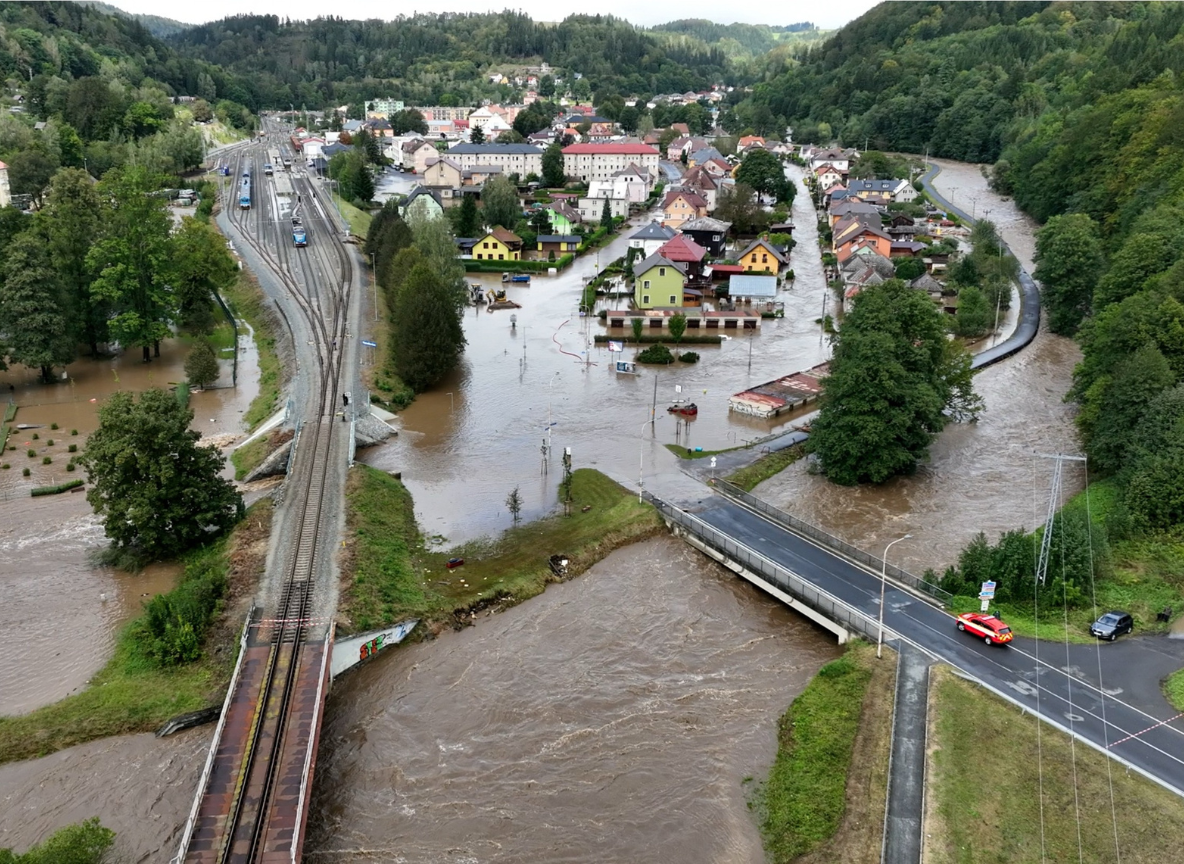
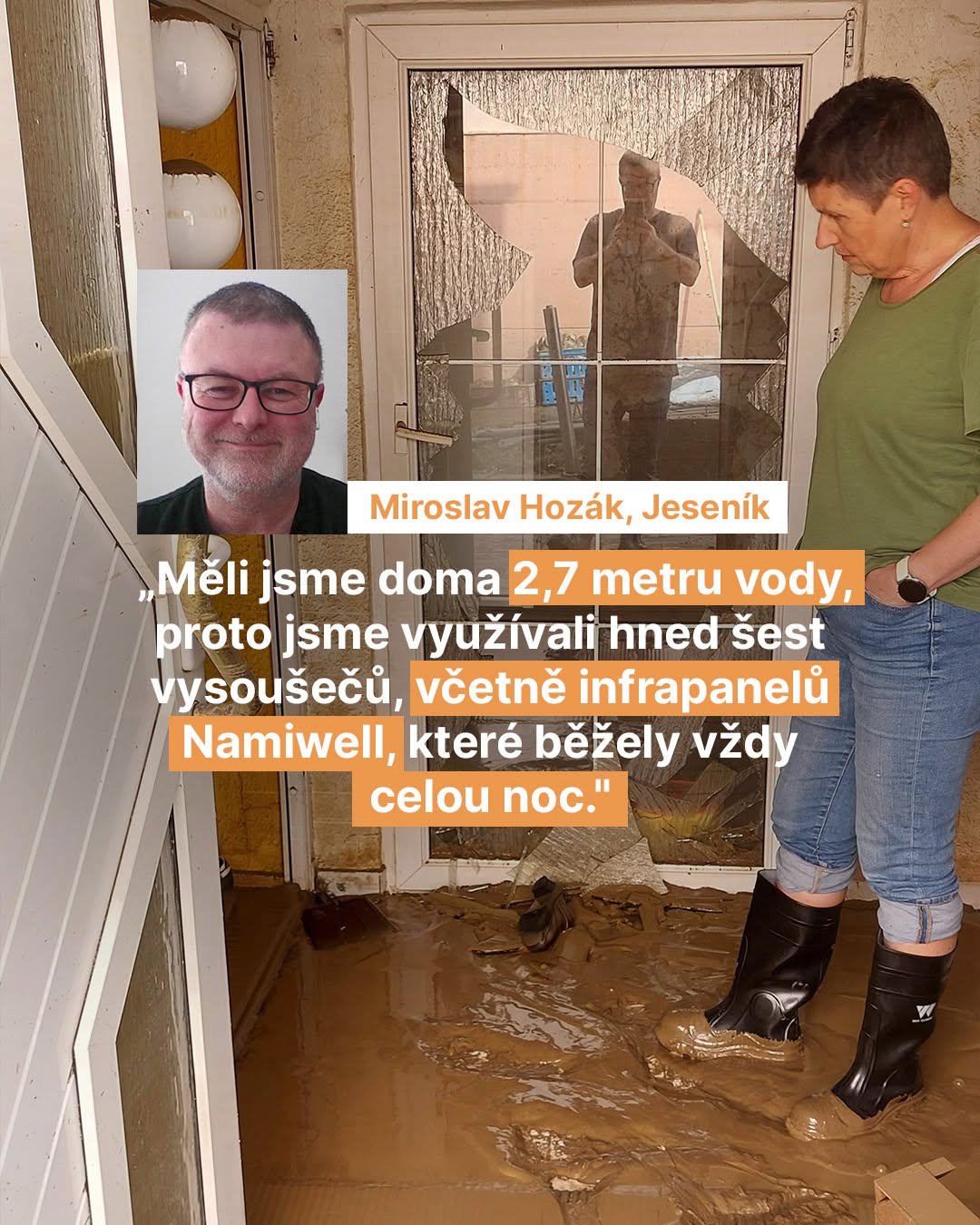
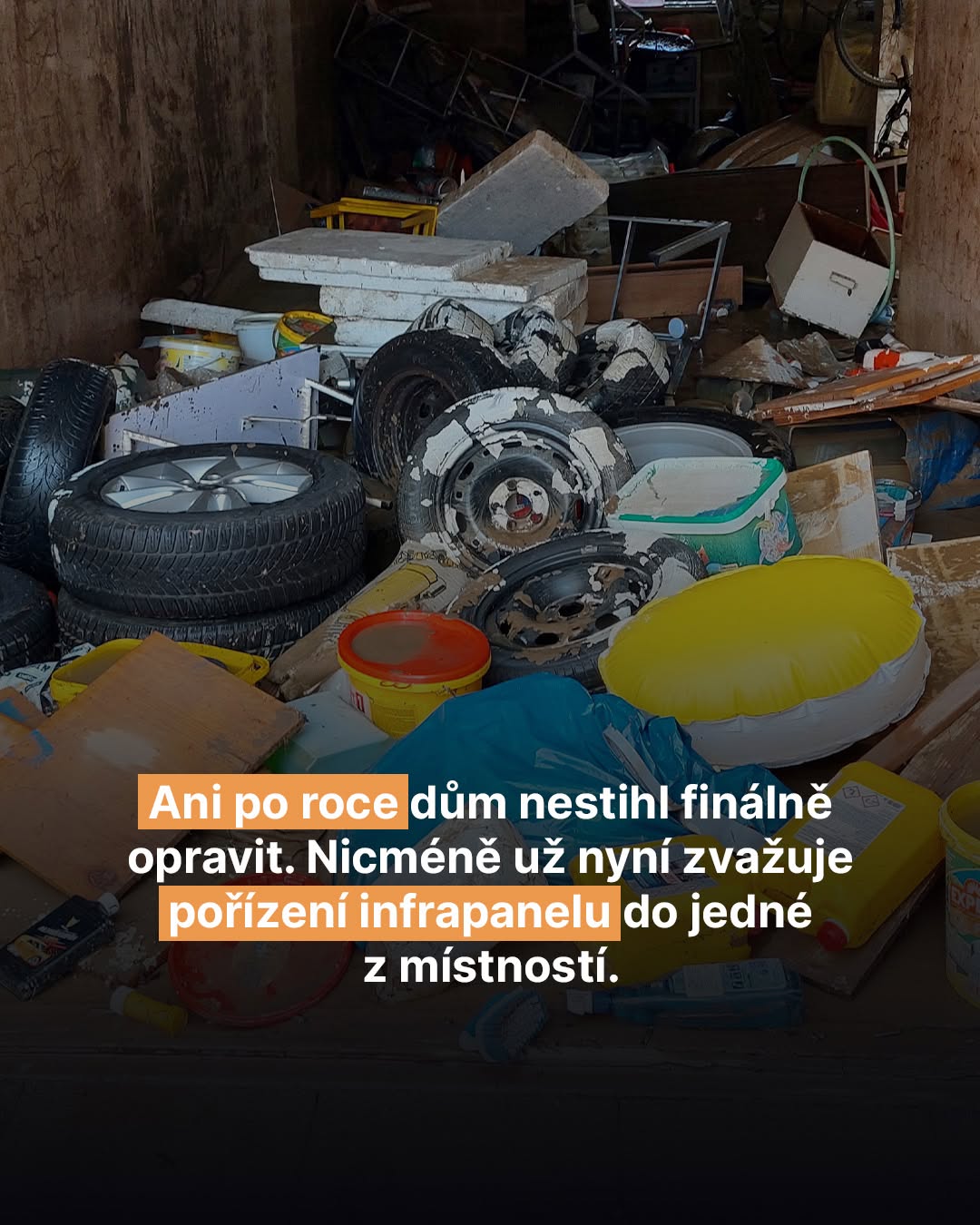
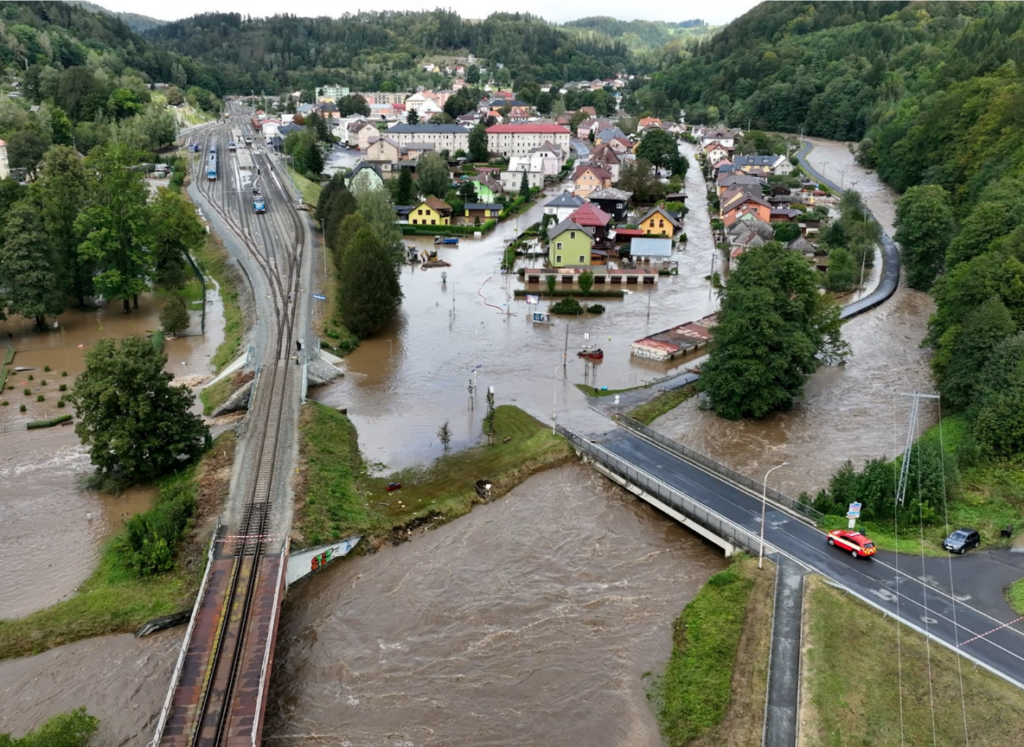
The 2024 floods in northern Moravia affected thousands of households. In some of these homes, NAMIWELL infrapanels were used alongside industrial drying equipment to speed up the drying process. The experiences of homeowners in Hanušovice and Jeseník show that infrared heating can be a surprisingly effective tool in restoring damp masonry.
When the floodwaters recede, the second and often even more challenging stage begins. Drying out walls, floors and building structures takes weeks or even months and determines how quickly people can return to their normal lives.
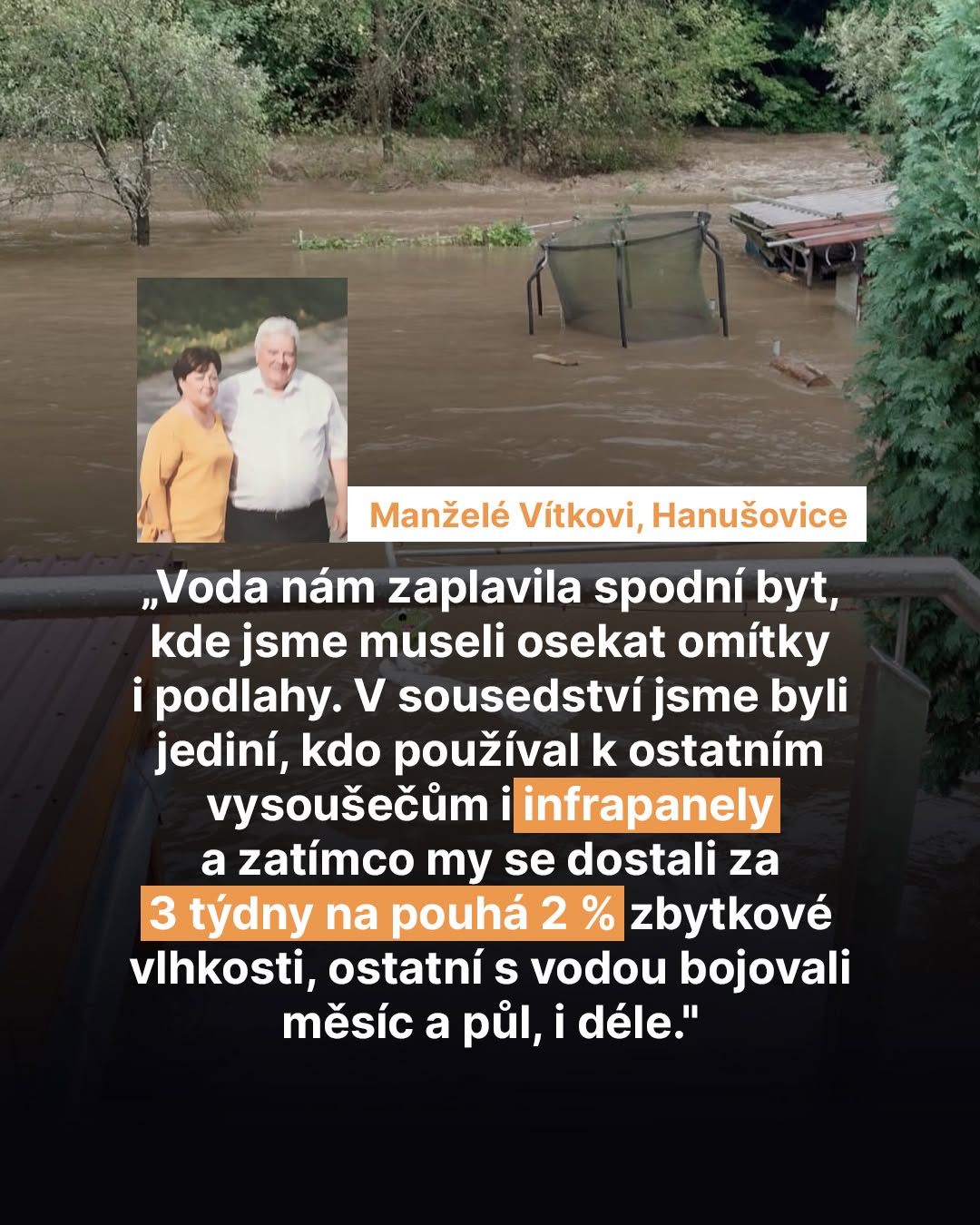
In Hanušovice, floodwaters reached approximately 140 centimetres on the lower floor of a family home. The owners had to remove the plaster and flooring and undertake extensive restoration work. Alongside industrial drying equipment, they used three NAMIWELL infrapanels, running them mainly at night.
“The downstairs flat was dry in about three weeks, while it took our neighbours a month and a half longer, or even more,” recalls Lubomír Vítek. In his feedback, he even reported that a 1 kW infrapanel dried out the space faster than a conventional 3.5 kW fan heater.
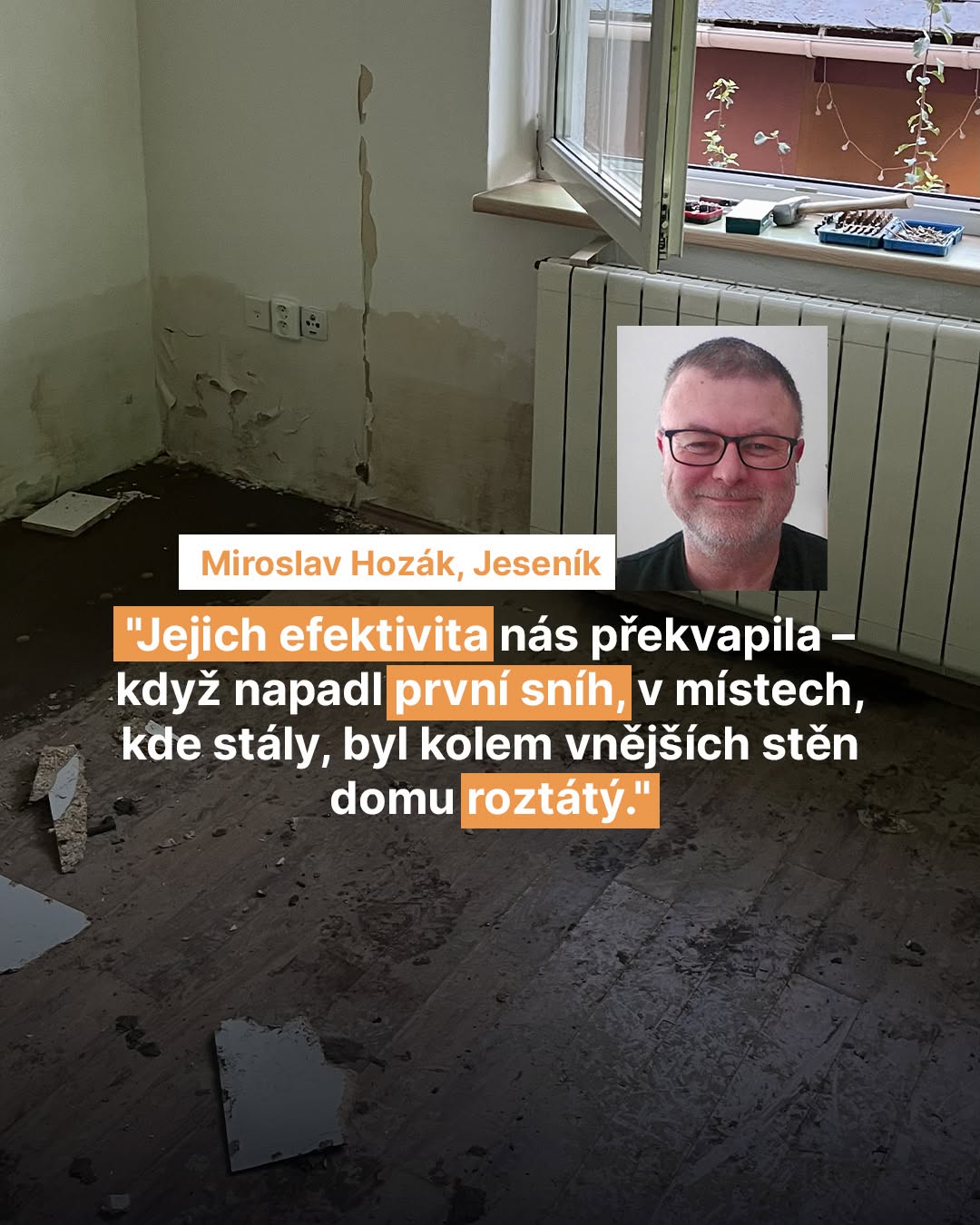
Miroslav Hozák from Jeseník had a similar experience. In his home, floodwaters reached 2.7 metres on the ground floor and approximately 70 centimetres on the first floor. To dry out the building, he used two NAMIWELL infrapanels with a combined power input of 1,600 W alongside other drying equipment.
“We were surprised by how effective they were. When the first snow fell, it melted along the outside walls in the areas where the infrapanels had been positioned,” he recalls.
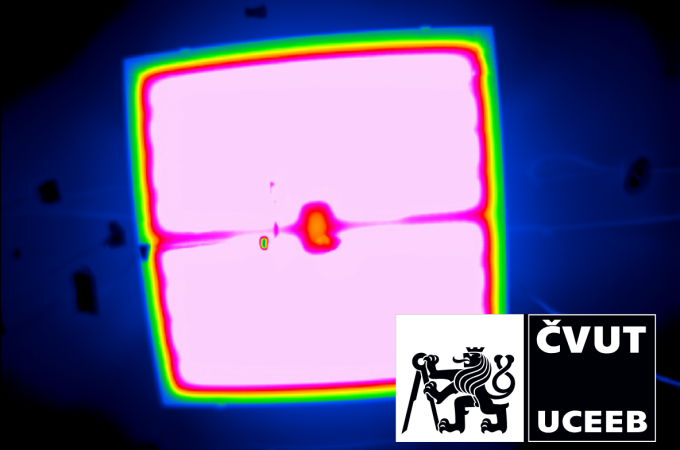
This experience illustrates the principle of infrared heating, which transfers energy directly to building structures and surfaces rather than primarily heating the air. Heat then penetrates deeper into the materials, allowing them to release accumulated moisture more effectively.
Unlike warm-air heating systems, which primarily heat the air in a room, infrared radiation transfers energy directly to walls, floors and other building structures. This allows the materials to warm up more quickly, increasing their temperature and accelerating the evaporation of moisture. In combination with professional drying equipment, this approach can significantly speed up the entire restoration process.
Experiences from the areas hardest hit by the floods show that infrapanels can do more than just provide heating. In exceptional circumstances, they can also be an effective tool for restoring buildings after flooding and other forms of water damage.